
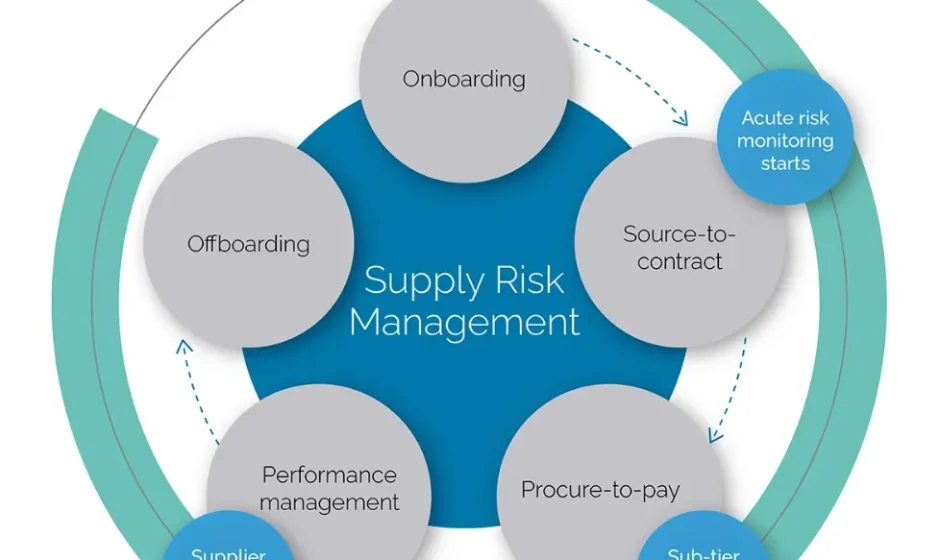

In today’s global economy, a robust supplier risk management process is essential for safeguarding your supply chain’s stability and performance. By taking proactive measures to manage supplier risks, businesses can enhance resilience, reduce disruptions, and maintain smooth operations. This article outlines a proven six-step approach to managing supplier risks and how it can strengthen your overall supply chain.
What is Supplier Risk Management?
Supplier risk management involves identifying, assessing, and mitigating risks that arise from your suppliers. These risks can come in various forms and can disrupt operations, affect product quality, or even tarnish your brand’s reputation. Understanding these risks and adopting a structured risk management strategy can help you avoid costly supply chain disruptions. A comprehensive risk management plan starts with identifying risks, evaluating key suppliers, and continuously monitoring their performance.
Common Supplier Risks
Supplier risks can vary, but they often fall into a few key categories. Here are some of the most common types of risks that can affect your supply chain:
- Financial Risk: The potential for a supplier’s financial instability or bankruptcy.
- Operational Risk: Issues like production delays or capacity problems.
- Quality Risk: Risks related to defects or poor-quality products.
- Reputational Risk: Risks that arise from a supplier’s actions affecting your brand image.
- Compliance Risk: Non-compliance with regulations or industry standards.
Understanding these common risks helps companies prioritize and address potential threats before they escalate.
Categories of Supplier Risks
Supplier risks can be grouped into different categories to make the assessment process more systematic:
- Financial Stability: How financially secure is your supplier? Are they at risk of going bankrupt or encountering liquidity problems?
- Geographic Location: Where is the supplier based? Are they located in regions prone to political instability or natural disasters?
By categorizing these risks, businesses can focus their efforts on the most critical threats and develop appropriate risk mitigation strategies.
The Impact of Supplier Risks on Your Supply Chain
Supplier risks can have far-reaching consequences on your supply chain, including production delays, cost increases, decreased product quality, and even reputational damage. When one supplier fails to meet expectations, it can cause a ripple effect that impacts other parts of the supply chain, affecting customer satisfaction and ultimately hurting profitability. Proactively managing these risks is essential for maintaining a resilient and efficient supply chain.
A Proven Supplier Risk Management Process
A well-structured supplier risk management process allows you to identify, assess, and mitigate potential disruptions. It’s essential to integrate risk management into your broader supply chain strategy for maximum impact. Regular monitoring and ongoing adaptation ensure that your supply chain remains robust and capable of withstanding unforeseen challenges.
Why Effective Supplier Risk Management Matters
An effective risk management process helps organizations identify potential vulnerabilities within their supply chains, enabling them to address risks before they cause significant disruptions. By implementing these strategies, businesses can protect their operations, enhance their reputation, and ensure smooth business continuity even in the face of supply chain challenges.
6 Steps to Mitigate Supplier Risks
A proactive approach to managing supplier risks involves a series of structured steps. Below are the six key steps for identifying and mitigating supplier risks to protect your business:
1. Conduct a Thorough Supplier Risk Assessment
The first step is to conduct a comprehensive risk assessment of your suppliers. This should evaluate the financial stability, operational capabilities, compliance levels, and geographic locations of your key suppliers. By understanding the risks associated with your suppliers, you can prioritize those that present the most significant threats to your business.
2. Develop Tailored Risk Mitigation Strategies
Once you’ve identified the risks, the next step is to develop mitigation strategies for each risk. This could include diversifying your supplier base to reduce reliance on a single source, maintaining buffer inventories to protect against supply disruptions, or negotiating stronger contracts with suppliers to ensure accountability and performance.
3. Implement Ongoing Monitoring and Review Processes
Risk management doesn’t stop once strategies are in place. Regularly monitor supplier performance and track emerging risks in real-time. Look out for industry trends, geopolitical changes, and any other factors that might affect your suppliers. By staying vigilant and reviewing your risk management plans regularly, you can adjust your strategies as necessary to stay ahead of potential problems.
4. Establish Clear Communication with Suppliers
Clear and consistent communication with your suppliers is key to effective risk management. Regularly engage with suppliers to share performance feedback, discuss potential risks, and collaborate on risk mitigation plans. Open communication builds trust, strengthens relationships, and ensures that both parties are aligned in addressing any challenges that may arise.
5. Evaluate and Adjust Risk Management Strategies
Your supplier risk management strategies should be continuously assessed and refined. Review the effectiveness of your risk mitigation efforts, gather feedback from your suppliers, and adjust your strategies based on new risks or opportunities. This iterative process ensures that your supply chain remains adaptable and resilient.
6. Foster Strong, Collaborative Relationships with Key Suppliers
Building strong relationships with your key suppliers is essential for minimizing risk. By fostering collaboration and trust, you can work together to identify and address potential issues before they impact your operations. Suppliers who feel valued and engaged are more likely to go the extra mile to mitigate risks and ensure smooth operations.
Mitigation Strategies for Supplier Risks
In addition to the six steps above, implementing targeted risk mitigation strategies can further protect your supply chain. Here are a few effective strategies for managing supplier risks:
- Diversify Your Supplier Base: Don’t rely on a single supplier. Spread procurement across multiple suppliers to reduce the risk of supply disruptions.
- Maintain Strategic Inventory: Keep a buffer stock of critical materials to ensure production continuity if a supplier faces delays.
- Create Backup Plans: Establish contingency plans and secondary suppliers for critical components to maintain flexibility in the event of a disruption.
- Strengthen Contracts: Ensure that contracts with suppliers clearly define expectations, performance metrics, and penalties for non-compliance.
Best Practices for Supplier Risk Management
To further enhance your supplier risk management efforts, consider the following best practices:
- Leverage Technology: Use analytics tools and management software to streamline risk assessment and monitoring processes. Real-time data can help you make informed decisions and detect potential risks early.
- Promote a Risk Management Culture: Foster a risk-aware culture within your organization. Ensure that every team understands the importance of managing supplier risks and is equipped to contribute to the overall strategy.
- Commit to Continuous Improvement: Regularly review and refine your risk management processes based on new insights and feedback. This ensures that your approach remains relevant and effective in addressing evolving risks.
Conclusion
A strong supplier risk management process is essential for any business aiming to protect its supply chain and maintain operational efficiency. By following these six steps—assessing risks, developing mitigation strategies, monitoring performance, communicating with suppliers, and fostering strong relationships—you can significantly reduce the risks associated with supplier disruptions and build a more resilient supply chain. Effective supplier risk management ensures business continuity, safeguards your brand reputation, and keeps your operations running smoothly, even in the face of challenges.