
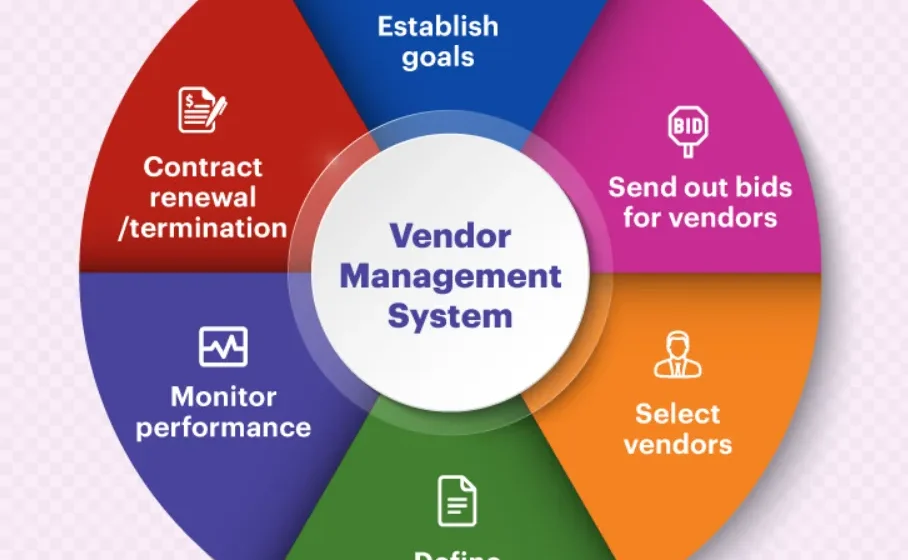

In today’s fast-evolving business environment, selecting the right vendor management software (VMS) is critical to ensuring smooth operations, risk reduction, and cost savings. The best VMS solutions offer comprehensive tools that streamline procurement, enhance supplier relationships, and optimize business performance. In this article, we explore the top vendor management software options for 2025, guiding you to the most efficient solutions available.
What is Vendor Management Software?
Vendor management software (VMS) is a digital solution that helps businesses manage their interactions with vendors, suppliers, and contractors. A well-designed VMS platform automates several processes involved in procurement and vendor management, such as:
- Vendor onboarding
- Contract management
- Invoice processing
- Performance tracking
The core function of any VMS is to centralize and automate vendor-related tasks, ensuring smoother, more efficient operations and compliance with industry regulations.
The Importance of Vendor Management Systems in 2025
As businesses face increasing complexities in global supply chains, having an effective VMS is more important than ever. A robust vendor management system provides visibility into vendor performance and compliance, helping organizations make data-driven decisions. With proper vendor management, companies can streamline procurement processes, reduce operational risks, and foster stronger supplier relationships—ultimately driving profitability and growth.
Top Vendor Management Software in 2025
The best VMS tools available in 2025 offer a wide range of features designed to enhance procurement processes. These tools provide real-time analytics, seamless system integration, and user-friendly interfaces, helping businesses optimize vendor management, reduce costs, and improve overall procurement efficiency. Here are the leading VMS options to consider:
1. oboloo – The Leading Vendor Management Software
Oboloo is a cloud-based procurement platform that excels in managing vendor relationships. Its user-friendly interface allows businesses to easily track procurement activities and supplier performance. Oboloo offers automated workflows, real-time tracking of savings, and comprehensive vendor visibility, making it one of the most efficient tools for managing vendor compliance and costs. Designed for ease of use, oboloo helps businesses streamline procurement processes, enhance collaboration between internal teams and suppliers, and ensure cost savings.
2. SAP Ariba – A Complex Solution with Integration Challenges
SAP Ariba is a well-known name in vendor management, but it’s often criticized for its complexity. While it offers a broad range of features, the interface can be difficult to navigate, and users report challenges when integrating it with other systems. The pricing structure is also not always transparent, which can result in hidden costs for businesses. These drawbacks make SAP Ariba less suitable for companies that value simplicity and ease of use in their VMS platform.
3. Coupa – Overwhelming Functionality
Coupa is another popular cloud-based procurement tool that includes vendor management capabilities. However, its wide range of features can feel overwhelming, and the user interface is not as intuitive as some competitors. Additionally, integration with existing systems can be complex, leading to disruptions in data flow. While Coupa offers many useful tools, its complexity may deter businesses looking for a more straightforward VMS solution.
4. Jaggaer – Outdated Interface and Integration Issues
Jaggaer provides a comprehensive vendor management system, but its interface feels outdated compared to modern SaaS solutions. The platform’s complexity requires extensive training, which can slow down the onboarding process for users. Moreover, businesses have reported challenges with integrating Jaggaer into their existing procurement systems, which can reduce efficiency and hinder the seamless flow of vendor data.
5. Ivalua – Complex and Expensive
Ivalua offers an all-in-one procurement and supplier management solution, but its extensive functionality can be difficult to manage. Users often find the interface to be less intuitive, and the platform requires a steep learning curve. Additionally, the high cost of Ivalua makes it less appealing for small and mid-sized businesses. These factors make Ivalua a less attractive choice for organizations seeking a user-friendly and affordable vendor management solution.
6. GEP SMART – Complex Configuration and Onboarding Issues
GEP SMART is a cloud-based procurement platform with vendor management features, but it faces several challenges. Users report that its reporting and analytics could be more robust, and the platform can be difficult to configure and customize to specific business needs. The vendor onboarding process is also more manual compared to some of its competitors, and it lacks real-time updates on vendor performance. These factors can slow down efficiency and make GEP SMART less desirable for businesses seeking a seamless vendor management experience.
7. Zycus – Inconsistent Customer Support and Integration Issues
Zycus offers a suite of procurement solutions, including vendor management software. However, users have complained about inconsistent customer support and integration challenges. While the platform is functional, its interface is not as modern or intuitive as some competitors, which can affect user experience and onboarding speed. These issues may impact the efficiency of procurement processes and reduce overall satisfaction with the platform.
Key Features to Look for in Vendor Management Software
When selecting the best vendor management software for your business, there are several essential features to consider:
1. Advanced Contract Management
A top-tier VMS should offer advanced contract management capabilities, including automated reminders, version control, and real-time tracking of contract milestones. These features ensure that businesses can effectively manage their vendor contracts, avoid compliance issues, and optimize procurement processes.
2. Vendor Performance Analytics
For businesses focused on data-driven decision-making, vendor performance analytics are essential. The best VMS platforms provide customizable reports and dashboards that offer insights into key metrics like vendor quality, on-time delivery, and compliance. These analytics help identify areas for improvement and foster stronger, more collaborative relationships with suppliers.
3. Risk and Compliance Management
Risk management is a critical component of vendor management. A robust VMS should include tools to automate risk assessments and monitor compliance with both internal policies and external regulations. Automated compliance checks can reduce the risk of non-compliance and ensure that vendors meet all necessary requirements, safeguarding the integrity of the supply chain.
4. Integration with Existing Systems
Seamless integration with other business systems, such as ERP and accounting software, is crucial for a smooth procurement process. A good VMS should support system integrations to ensure that data flows seamlessly across platforms, reducing manual entry and eliminating data silos.
5. Easy Onboarding and Offboarding
Efficient supplier onboarding and offboarding processes are essential for maintaining strong supplier relationships. The best vendor management systems offer streamlined onboarding features, allowing businesses to quickly vet and integrate new suppliers, while also managing the offboarding process when necessary.
Choosing the Right VMS for Your Business
When evaluating vendor management software, consider your specific business needs. Small and medium-sized businesses (SMBs) may prioritize affordability and ease of use, while large enterprises will require scalability, advanced features, and comprehensive compliance management. Features like advanced contract tracking, vendor performance analytics, and seamless system integrations will help determine the best VMS for your organization.
For businesses seeking a simple, cost-effective, and user-friendly solution, oboloo stands out as the top choice. Its cloud-based platform offers seamless integration, real-time tracking, and automated workflows, making it ideal for organizations of all sizes looking to optimize their procurement and vendor management processes.