
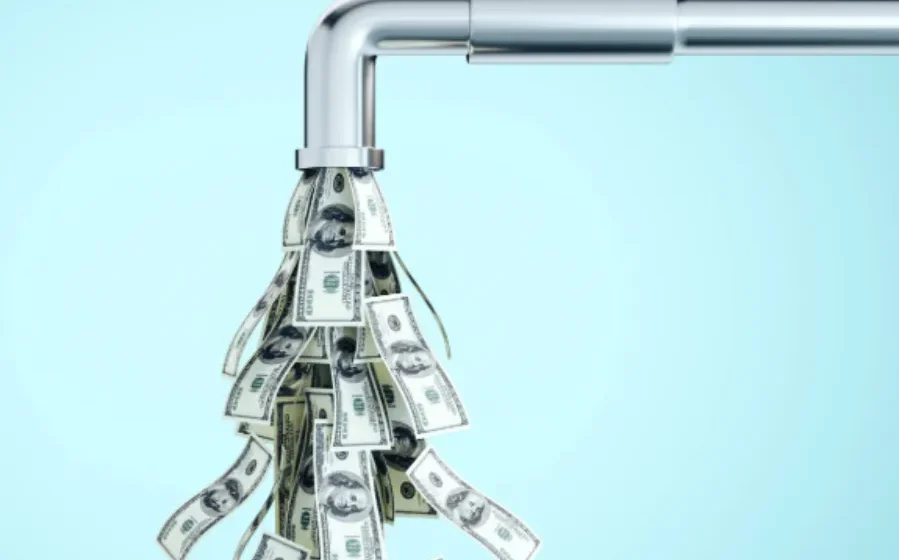

Running a retail business is a balancing act, especially when it comes to cash flow. Even profitable companies can struggle if cash isn’t available when needed. It’s easy to feel the pressure during slow sales weeks or when faced with an opportunity for growth but lacking the funds to pursue it. Cash flow problems—more than lack of profit—are a leading cause of failure in retail. Without adequate cash to cover everything from rent and payroll to inventory, your operation is at risk.
With today’s rising interest rates, unpredictable customer demand, and delayed payments from suppliers, maintaining a healthy cash flow is more challenging than ever. But don’t worry—there are several strategies you can implement to improve cash flow and unlock the financial flexibility your business needs to grow.
Understanding Cash Flow in Retail
Cash flow refers to the movement of money into and out of your retail business over a certain period. Unlike profit, which simply shows whether you’re making money on paper, cash flow gives you a clearer view of your actual liquidity—how much cash you have available to cover expenses and invest in growth.
Cash inflows primarily come from sales—whether in-store or online—while outflows cover essential expenses like rent, payroll, utilities, and inventory purchases. A positive cash flow means you have enough funds to operate smoothly, while negative cash flow can quickly lead to operational problems if not managed properly.
Why Managing Cash Flow is Critical in Retail
Poor cash flow doesn’t just slow down your business—it can cause it to shut down. Retail businesses rely on having enough cash to meet their obligations, including paying suppliers, covering rent, and restocking inventory. When cash isn’t available when needed, it can lead to missed payments, stockouts, and even strained supplier relationships.
Effective cash flow management allows you to:
- Invest in growth: You can fund inventory purchases, store improvements, or marketing campaigns without scrambling for funds.
- Avoid late fees: By staying on top of payments, you won’t face penalties or damage relationships with suppliers.
- Plan for the future: With accurate cash flow forecasting, you can prepare for seasonal fluctuations or unexpected costs.
- Make informed decisions: A steady cash flow gives you more flexibility to scale your business without taking unnecessary risks.
18 Effective Strategies to Improve Cash Flow in Retail
Improving cash flow requires proactive strategies that address both incoming and outgoing funds. Here are 18 proven methods to help optimize cash flow in your retail business:
1. Conduct Regular Inventory Audits
Periodically check your inventory for slow-moving or obsolete items. Discount or remove these to free up cash and shelf space. Regular audits help prevent money from being tied up in unsellable stock.
2. Focus on High-Performing Products
Use sales data to identify bestsellers and prioritize restocking these items. Reduce orders for products that don’t sell well, ensuring your capital is invested in products that generate revenue quickly.
3. Implement Just-in-Time (JIT) Inventory
Order stock only when necessary. JIT inventory management minimizes holding costs, reduces overstocking, and decreases the likelihood of unsold goods becoming obsolete.
4. Use Inventory Management Software
Tools like Square or Zoho Inventory help you track stock levels in real time. These platforms provide valuable insights that help you make data-driven decisions more efficiently than manual methods.
5. Set Clear Payment Terms
Establish clear, short credit terms and ensure that overdue invoices are followed up promptly. Offering early payment discounts can encourage customers to pay faster and improve cash flow.
6. Offer Flexible Payment Methods
Accept various forms of payment, including digital options and installment plans. This reduces barriers to purchasing and speeds up cash inflows by offering customers more ways to pay.
7. Monitor Receivables Actively
Use accounting software to track unpaid invoices. Send reminders and follow up regularly to ensure timely payments. Proactively managing receivables helps prevent cash flow disruptions.
8. Negotiate Supplier Payment Terms
Request extended payment terms (e.g., 30–60 days) from suppliers, allowing you to sell the inventory before the bill is due. Extended payment terms ease the pressure on your working capital.
9. Streamline Payables Management
Implement an approval system to avoid missing or late payments. Paying your bills on time builds trust with suppliers and may even result in discounts or better payment terms in the future.
10. Automate Cash Flow Forecasting
Leverage forecasting tools to predict cash flow more accurately. Automated forecasts help you spot potential shortfalls early and plan ahead to avoid financial strain.
11. Integrate POS with Accounting Software
Link your point-of-sale system with your accounting software to automate sales tracking, expense monitoring, and cash flow management. Integration reduces manual work and improves financial transparency.
12. Speed Up Electronic Payments
Implement systems that allow for same-day or next-day settlement of payments. Faster access to funds improves liquidity and helps ensure you have the cash needed for daily operations.
13. Use Real-Time Analytics
Utilize analytics tools to identify trends in sales, inventory, and customer behavior. Real-time data helps you make informed decisions quickly, adapting to market changes and improving cash flow.
14. Review Historical Financial Data
Examine past sales and expense records to identify cash flow trends and seasonal patterns. Reviewing historical data helps you forecast more accurately and plan for future fluctuations.
15. Develop a Rolling Cash Flow Forecast
Create a rolling 12-month forecast that includes both fixed (e.g., rent, payroll) and variable (e.g., inventory) costs. Regular forecasting helps with budgeting and long-term financial planning.
16. Build a Cash Reserve
Set aside funds during profitable months to cover slower periods or unexpected expenses. Having a cash buffer reduces reliance on loans and keeps your business afloat during downturns.
17. Plan for Seasonal Changes
Prepare for seasonal fluctuations by stocking up on popular products ahead of busy periods and cutting back on non-essential purchases during slower times. This approach helps you manage inventory and cash flow year-round.
18. Cut Unnecessary Expenses
Review regular operating costs, such as subscriptions, utilities, and supplier contracts. Renegotiating terms or switching providers can reduce costs and free up cash for growth initiatives.
Cash Flow vs. Profitability: Understanding the Difference
While cash flow and profitability are related, they are not the same thing. Profit reflects your business’s financial health by showing how much money you’ve earned after expenses, but it doesn’t always indicate the cash available in your account.
Net Profit is an accounting measure, while Cash Flow focuses on liquidity. A company can be profitable on paper but still face cash shortages if revenue is tied up in unpaid invoices or pending payments.
How to Calculate Net Profit
To understand profitability, calculate your net profit margin, which shows how efficiently your business turns revenue into profit.
Formula:
Net Profit (%) = (Net Profit ÷ Total Revenue) × 100
This metric helps you understand how much of your revenue is retained as profit after all expenses are accounted for.
Conclusion
Optimizing cash flow is crucial for retail success, and by implementing these strategies, you can ensure your business has the financial stability it needs to grow. By monitoring your cash flow, making informed decisions about expenses, and improving your payment processes, you’ll be in a stronger position to tackle challenges and seize new opportunities. Whether you’re managing a single store or expanding a retail chain, improving cash flow is the key to driving long-term success.