
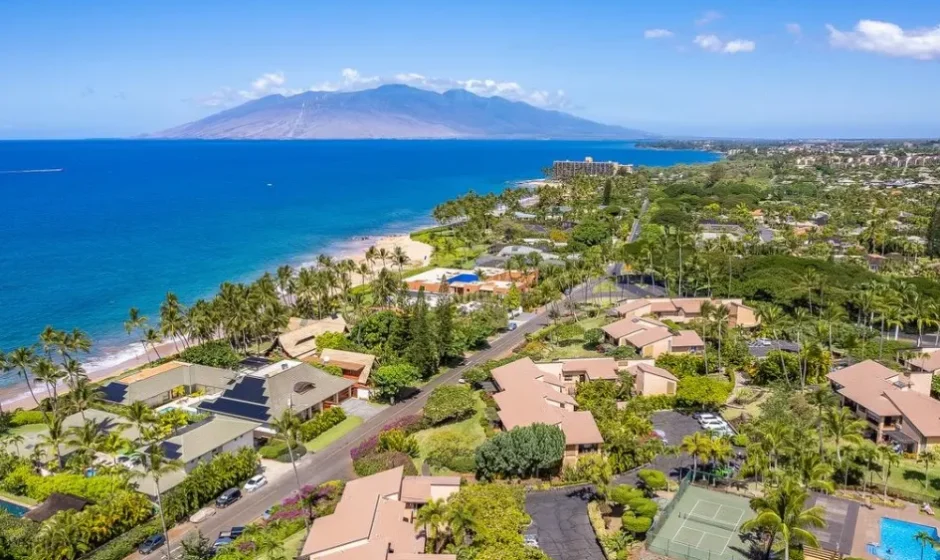

Hawaii might look like a postcard destination to most people, but for service members and veterans, it can also be a powerful place to build long-term wealth. Beneath the palm trees and ocean views is a real estate market that works very differently from most of the mainland—and if you understand how it operates, you can turn your time in the islands into a financial springboard.
This is exactly what retired Army First Sergeant and real estate broker Erica Lehmkuhl did. By combining her military experience with a smart investing strategy, she navigated Hawaii’s high-priced market, turned homes into income-producing assets, and built a portfolio that continued to pay off long after she left active duty.
From Uniform to Investor: Erica’s Story
Erica spent 23 years in the Army, developing the discipline, planning skills, and adaptability that later became the backbone of her investing approach. Her entry into real estate wasn’t a grand business plan—it was a practical decision. As a single mother, she used her VA loan to purchase her first home.
That one decision opened the door to a new path. Over time, Erica went from simply owning a home to:
- Acquiring additional properties
- Turning them into rentals
- Flipping homes for profit
- Launching her own brokerage, Seaside Realty
Her transition shows what’s possible when you combine the benefits available to service members with a willingness to learn the local market.
Why Hawaii Real Estate Is Different
Buying property in Hawaii is not the same as buying in Texas, Georgia, or other common duty stations. The islands have their own rules, price points, and quirks that every buyer needs to understand.
Some of the biggest differences include:
- High purchase prices: Median home values often top $1 million, especially on Oahu and Maui.
- Luxury and resort-heavy inventory: Many properties are geared toward high-end buyers or short-term vacation stays.
- Complex zoning and regulations: Not every home can be used as a rental, and short-term rentals may be heavily restricted.
- Island-specific factors: HOA fees, flood zones, and insurance costs can vary dramatically from one neighborhood—or even one street—to another.
For military buyers, this means you can’t just look at the listing price. You need to factor in monthly fees, restrictions, and how long you plan to stay.
Making the Most of a VA Loan in Hawaii
The VA loan is an incredible benefit, especially in an expensive market like Hawaii, because it allows qualified buyers to purchase with no down payment. But that doesn’t mean every deal is automatically a good one.
Here are a few important points to keep in mind:
- Funding fee: If you don’t have at least a 10% VA disability rating, you’ll likely pay a funding fee (often around 3.3% of the loan amount). Those with qualifying disabilities are exempt, which can save tens of thousands of dollars.
- Property condition: VA appraisers look for homes that meet minimum property standards. Older homes may require repairs, but with proper negotiation, those repairs can often be completed before closing.
- Property taxes and exemptions: Hawaii has one of the lowest property tax rates in the country, and disabled veterans may be eligible for even more significant tax breaks at the county level.
Used strategically, a VA loan in Hawaii can help you secure a valuable asset in a market known for strong long-term appreciation.
House Hacking in the Islands
With prices as high as they are, many service members assume Hawaii is out of reach. Erica took the opposite approach and made the numbers work by house hacking.
House hacking simply means living in one part of a property while renting out another portion to help pay the mortgage. In Hawaii, this is especially powerful because:
- Many homes are designed with separate living areas or “ohana” units.
- Multi-generational living is common, so additional spaces feel normal to local tenants.
- Rents are high enough that even one additional unit can dramatically lower your monthly expenses.
Erica bought a home that included a separate living space. She lived in one area and rented out the other. The rental income offset a large portion of her mortgage, allowing her to build equity in an expensive market without feeling financially stretched.
For military families, this approach can turn what feels like a stretch purchase into a manageable—and profitable—investment.
When Orders Change: Sell or Rent?
Most service members in Hawaii eventually face the same question: What do I do with my house when I PCS?
Erica’s perspective is simple: if you can afford to keep the property, it usually makes sense to hold onto it and rent it out. Your tenants cover the mortgage (and often more), while the property quietly increases in value over time.
She began managing rentals after realizing that some property managers were charging high fees without delivering great service. By staying hands-on and keeping her rates fair, she not only protected her own portfolio, but also built a reliable property management business serving other military families.
If you choose to keep your home as a rental when you leave, you’re essentially turning your time in Hawaii into a long-term investment rather than just a tour.
Why Appreciation Is So Powerful in Hawaii
Cash flow is important, but in Hawaii, appreciation is often the main driver of wealth. The islands are land-constrained, highly desirable, and heavily regulated, which tends to push prices up over time.
Erica experienced this firsthand. She purchased a home for $653,000, lived in it, and sold it seven years later for $1.14 million. After repairs and closing costs, she cleared close to $600,000 in profit—money that was tax-free because she met the IRS rule of living in the home for at least two of the previous five years.
That kind of gain is not guaranteed, of course, but it’s a real example of how holding property in Hawaii can dramatically change your financial picture over the long term.
Practical Tips for Military and Veteran Investors in Hawaii
If you’re thinking about buying in the Aloha State, here are some key points to keep at the front of your mind:
- Choose your location carefully: Commute times, microclimates, school districts, and flood zones can vary a lot within short distances. Take the time to explore different neighborhoods.
- Use your BAH and VA loan strategically: Your housing allowance can help you comfortably carry a mortgage, especially if you factor in future appreciation rather than just short-term cash flow.
- Consider house hacking: A separate unit, ohana space, or even a rentable room can drastically reduce your monthly housing cost and spread out your risk.
- Think long-term with rentals: If you PCS, your home doesn’t have to be sold. It can become a long-term rental that generates passive income and continues to appreciate.
- Play the long game: Hawaii is not always the place for high immediate cash flow, but it excels at long-term value growth. Patience is often rewarded.
Bringing It All Together
Hawaii isn’t just a beautiful duty station—it’s a rare chance to build serious equity in a market that many people only dream about entering. For military members and veterans, the combination of VA loan benefits, housing allowances, and thoughtful strategies like house hacking and long-term rentals can turn an ordinary PCS into a wealth-building opportunity.
The key is to approach the market with clear eyes and good guidance. Partnering with a knowledgeable local agent—ideally one who understands military life and VA loans—can help you avoid costly mistakes and identify properties that truly fit your goals.
With the right plan, your time in Hawaii can leave you with more than just memories of beaches and sunsets. It can leave you with assets that continue working for you long after your orders change.