
Procurement has shifted a long way from paper forms and isolated spreadsheets. As supply chains stretch across regions and business cycles speed up, traditional, on-premise tools struggle to keep pace. Cloud procurement software has stepped into that gap, offering a flexible, always-on way to manage sourcing, purchasing, and supplier relationships.
Instead of wrestling with disconnected systems, teams can now plug into a cloud platform that brings suppliers, spend data, and approval workflows together in one place. The result is faster decisions, leaner processes, and clearer visibility across the entire buying cycle.
In this post, we’ll look at what cloud procurement actually is, the benefits it brings, the role of modern sourcing tools, and how to choose the right platform for your organisation.
What Is Cloud Procurement Software?
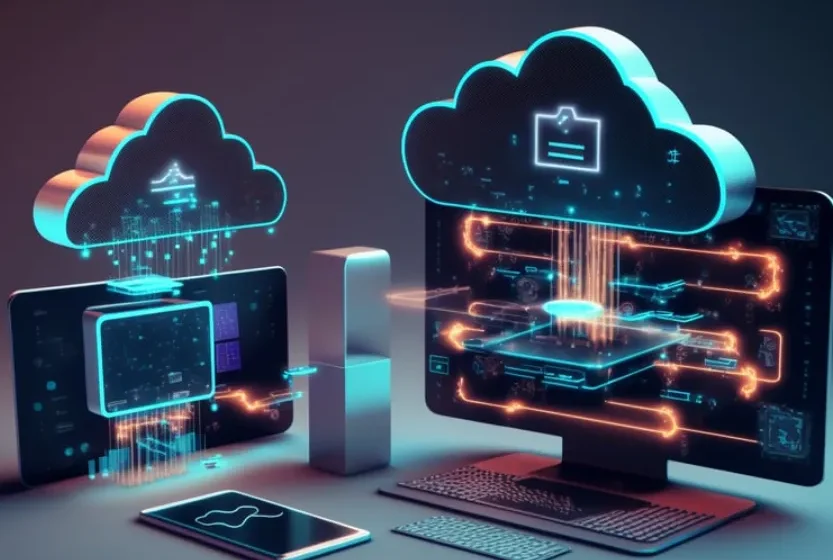
Cloud procurement software is an online solution used to manage day-to-day purchasing and strategic sourcing activities. It runs on remote servers rather than local hardware, and users access it through a browser from any location with an internet connection.
Typical capabilities include:
- Supplier onboarding and management
- Sourcing events and bid comparison
- Purchase requisitions and orders
- Contract and spend tracking
- Approvals, invoicing, and compliance monitoring
Because the system lives in the cloud, updates, security patches, and new features are handled by the provider, not your internal IT team.
Why Organisations Are Moving Procurement to the Cloud
Scales up (and down) with the business
Cloud platforms can grow as your needs evolve—adding new categories, regions, or users without major infrastructure projects. Whether you’re expanding into new markets or consolidating operations, capacity can be adjusted quickly without buying additional servers or software licences.
Lower upfront and ongoing costs
There’s no need for large capital expenditure on hardware, databases, or complex installations. Most providers operate on a subscription model, turning what used to be a heavy up-front investment into predictable operating spend. Ongoing maintenance is built into the service, reducing the internal support load.
Better collaboration across teams and suppliers
Because data sits in a central, online workspace, everyone involved in procurement—from requesters to approvers and suppliers—can work from the same information. Comments, approvals, and status updates happen in real time, cutting down on long email chains and version confusion.
Real-time insight into spend and performance
Cloud procurement tools provide live dashboards and reporting on open requisitions, supplier performance, committed spend, and savings. Instead of waiting for month-end reports, teams can see what’s happening now and act accordingly.
Key Capabilities of Cloud-Based Procurement Platforms
Built-in sourcing tools
Modern cloud solutions come with sourcing features designed to make it easier to identify and choose the right suppliers. These often include:
- Supplier discovery based on category, geography, or capability
- Structured RFx (RFI, RFQ, RFP) workflows
- Side-by-side bid comparison and scoring
- Supplier profile and risk information in one place
With these tools, procurement can move quickly from defining a need to running an event and recommending an award, without leaving the platform.
Automation and workflow orchestration
Configurable workflows handle tasks such as:
- Routing requisitions for approval based on category, value, or location
- Generating purchase orders from approved requests
- Matching invoices against POs and receipts
- Triggering notifications when exceptions occur
Automation reduces manual entry and the risk of errors, while still allowing tight control over who can spend what and with whom.
Spend analysis and reporting
Cloud procurement systems typically include analytics that allow teams to:
- Track spend by category, supplier, business unit, or region
- Highlight maverick buying outside contracted agreements
- Identify consolidation opportunities and savings potential
- Monitor adherence to budgets and policy
With this level of visibility, procurement shifts from reactive order processing to proactive spend management.
Integration with the wider application landscape
To avoid creating yet another silo, cloud procurement tools are designed to connect with ERP, finance, and CRM systems. These integrations help:
- Synchronise supplier master data
- Feed purchase and invoice information to finance
- Align customer demand with purchasing activity
When data flows smoothly between systems, end-to-end processes—from forecast to payment—become far more efficient and transparent.
How the Cloud Is Changing Sourcing
Faster sourcing from need to award
Automated events, standard templates, and digital bid submissions significantly shorten sourcing cycles. Instead of manually managing spreadsheets and email attachments, category managers can launch events, invite suppliers, and evaluate responses all inside the platform.
Stronger supplier relationships
Centralised supplier records combine performance metrics, risk indicators, contact information, and contract history. Procurement can see how suppliers are performing across different categories and regions, and use that insight in reviews, negotiations, and development plans.
Better decisions backed by data
Cloud platforms bring together sourcing outcomes, contract terms, and subsequent spend data. Over time, this gives a rich picture of which suppliers deliver the best value and where strategies need adjusting. Leadership can see how sourcing decisions influence cost, quality, and risk in practice.
Choosing a Cloud Procurement Solution That Fits
Not every platform is right for every organisation. When evaluating options, consider:
Breadth and depth of features
Does the software cover the essentials—requisitions, POs, supplier management, sourcing, invoicing, and spend analysis—and do it well? Are there advanced capabilities you actually need, such as contract authoring, risk scoring, or inventory integration?
Ability to grow with you
The solution should support your current scale and be able to handle future expansion in users, spend volume, and geographic footprint. Check how pricing and performance change as you grow.
User experience
If the interface is clunky or confusing, adoption will suffer. Look for simple navigation, clear workflows, and role-based views tailored to requesters, approvers, and procurement professionals.
Integration options
Verify that the platform can connect with your existing ERP, finance, and other core systems. Pre-built connectors and open APIs make integrations easier and less costly.
Security and compliance posture
Because procurement platforms handle sensitive supplier and financial data, robust security controls are non-negotiable. Ask about certifications, data encryption, access controls, and data residency options relevant to your industry and locations.
Where Cloud Procurement Is Heading Next
Smarter, AI-assisted procurement
Artificial intelligence is increasingly being embedded into cloud procurement tools to:
- Recommend suppliers based on past performance and risk profiles
- Suggest savings opportunities by analysing spend patterns
- Flag unusual transactions and potential policy breaches
These capabilities help teams move faster while still maintaining control.
Greater transparency through blockchain
For certain use cases, blockchain is being used to create tamper-resistant records of transactions, agreements, and supplier credentials. This can improve trust and traceability across complex supply networks.
Sustainability built into the process
As environmental and social criteria grow in importance, cloud platforms are adding ways to track supplier sustainability metrics and factor them into sourcing decisions. Procurement teams can then balance cost, quality, risk, and impact in a single view.
Predictive and prescriptive analytics
The combination of historic spend data, supplier performance, and external market information will increasingly allow systems to anticipate trends—such as price shifts or supply risk—and recommend actions before issues appear.
Bringing It All Together
Cloud procurement software has moved from “nice to have” to a core part of modern procurement infrastructure. By delivering scalable, flexible tools for sourcing, buying, and supplier management, cloud platforms allow organisations to simplify their processes, sharpen their spending decisions, and collaborate more effectively with internal stakeholders and suppliers.
As technology continues to advance, those who embrace cloud-based procurement—backed by strong sourcing tools and analytics—will be better placed to manage risk, unlock value, and stay competitive in fast-changing markets.