
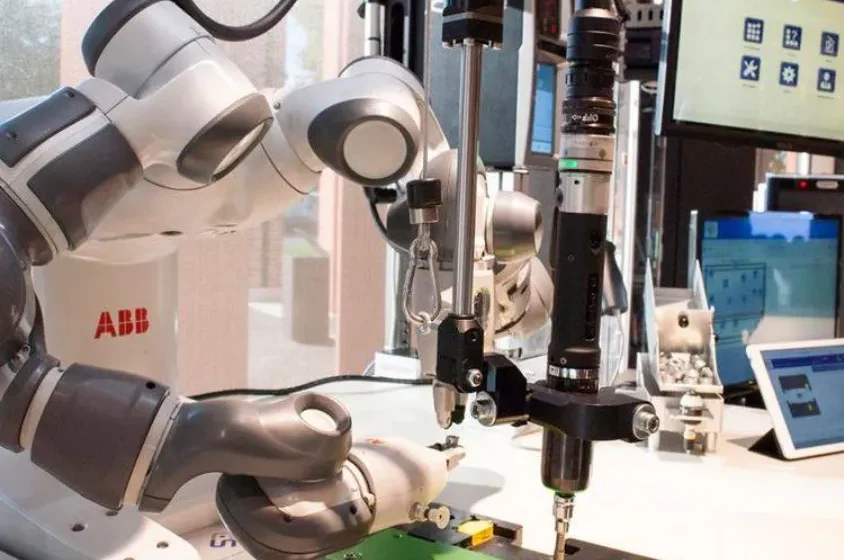

Research and Development (R&D) in manufacturing is not just about creating new products; it’s about enhancing existing processes, improving efficiency, and accelerating production timelines. When integrated into the manufacturing process, R&D provides businesses with the tools to innovate rapidly, streamline operations, and maximize resource utilization.
For industries like consumer goods, food and beverage, and fast-moving consumer goods (FMCG), R&D-driven manufacturing goes beyond conceptual ideas—it results in tangible outcomes such as improved product formulations, better packaging, reduced waste, and faster time to market. It’s about taking innovation from the drawing board to real-world applications that bring measurable returns.
In this blog, we’ll explore how R&D is transforming the manufacturing landscape, helping businesses stay ahead of market demands, turn product concepts into reality, and accelerate growth without the typical operational hurdles.
The Importance of R&D in Modern Manufacturing
R&D is more than just a buzzword in manufacturing; it’s the backbone of industry innovation. As global competition intensifies, manufacturers must tackle a wide range of challenges, from meeting environmental goals to improving productivity. R&D plays a key role in addressing these challenges and enabling companies to stay competitive.
Key R&D Benefits for Manufacturers:
- Solving Industry Challenges:
Manufacturers face numerous obstacles, from achieving net-zero carbon emissions to adapting to regulatory changes. R&D is where solutions to these problems take shape. It enables businesses to develop low-carbon production methods, automation to bridge talent shortages, and resilient systems that can withstand supply chain disruptions. - Embracing Industry 4.0:
R&D is the driving force behind the transition to Industry 4.0. This shift involves automating processes, integrating smart technologies, and leveraging data to optimize production. From connecting IoT devices to machines to using 3D printing for rapid prototyping, R&D fosters the innovation needed for smarter manufacturing. - Making Innovation Accessible:
Innovation often requires significant investment, but R&D tax relief can make these efforts more financially feasible. Manufacturers can claim back costs associated with developing new products or processes, including staff time, materials, and subcontractor services. This reduces the financial risks of innovation and encourages companies to push boundaries.
Who Can Benefit from R&D in Manufacturing?
R&D in manufacturing is a collaborative effort that spans multiple departments within an organization. It’s not just for scientists in lab coats—engineers, designers, technicians, and project managers all contribute to the innovation process. Here’s a breakdown of the key players in R&D:
- Engineers & Designers: These professionals lead the design and technical development of new products and processes.
- Scientists & Researchers: Responsible for experimenting with new materials, technologies, and processes.
- Technicians: Conduct tests and gather data that drive innovation.
- Project Managers & Team Leads: Coordinate R&D efforts, ensuring that projects move from concept to execution.
- Production & Operations Teams: Implement R&D-driven changes directly on the manufacturing floor.
- Quality & Compliance Teams: Ensure that new products and processes meet industry standards and regulations.
If your company is tackling technical challenges, you’re likely engaging in R&D across different departments.
Core Areas of R&D in Manufacturing
R&D in manufacturing spans a variety of sectors, each with its own focus areas and innovations. Here’s a look at some of the key sectors where R&D is making a significant impact:
- Automotive and Aerospace:
In these sectors, R&D is focused on creating lightweight materials, developing electric and hybrid vehicles, and improving safety systems. Manufacturers are also working on innovative propulsion systems and aerospace technologies to reduce costs and enhance efficiency. - Electronics and Robotics:
R&D in electronics and robotics is driving advancements in microprocessor efficiency, reducing energy consumption, and enhancing automation. Key areas of innovation include designing smarter devices, improving display technologies, and streamlining manufacturing to reduce waste. - Textiles and Apparel:
In the textile industry, R&D is focused on developing performance fabrics, creating sustainable production methods, and integrating wearable technology. Innovations in smart textiles and eco-friendly materials are helping companies respond to changing consumer demands. - Food and Beverage Manufacturing:
R&D in food production is helping manufacturers improve efficiency, sustainability, and food safety. From developing energy-saving processing methods to creating plant-based foods, R&D is central to meeting regulatory requirements and shifting consumer trends. - Renewable Energy Manufacturing:
R&D is crucial in the renewable energy sector, where innovations in solar panels, wind turbines, and battery storage are helping companies meet increasing demand for clean energy. R&D is key to reducing production costs and improving energy efficiency. - Wood and Paper Manufacturing:
The wood and paper sector is undergoing significant transformation through R&D. From sustainable forestry practices to developing biodegradable materials, manufacturers are using R&D to reduce their environmental impact while meeting market demand for eco-friendly products. - Metal and Machinery:
R&D in the metal and machinery sectors is focused on enhancing the durability and precision of manufacturing processes. Robotics and automation are improving production speed, while advances in materials science are creating more efficient machinery and metal alloys.
Conclusion
R&D is at the heart of smarter, faster growth in manufacturing. By fostering innovation, solving industry challenges, and enabling companies to modernize their operations, R&D drives tangible improvements across various sectors. Whether it’s developing sustainable practices, improving product design, or integrating new technologies, R&D is essential for manufacturers looking to stay competitive in today’s fast-paced market.