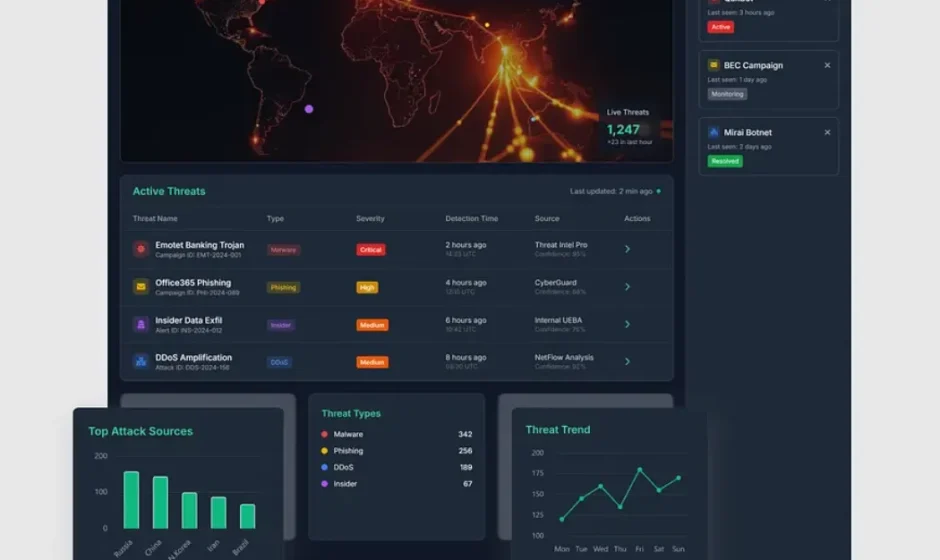

When we think of cybersecurity risks, external hackers often come to mind. However, threats can also arise from within an organization, including employees, contractors, vendors, or even former employees with still-active credentials. These insider threats—whether intentional or accidental—can put sensitive systems at risk. To effectively counter them, it’s essential to move beyond traditional monitoring methods and implement smart insider threat detection techniques that monitor behavior, privileges, and abnormal system activity in real-time.
If left undetected, insider threats can lead to data breaches, financial losses, and significant damage to a company’s reputation. The key to preventing such incidents is identifying warning signs early before they develop into full-blown threats.
Why Insider Threats Are Challenging to Spot
Insider threats are notoriously difficult to detect for several reasons:
- Legitimate Access: Insiders already possess valid credentials, which makes malicious actions harder to distinguish from routine activities.
- Camouflaged Behavior: Malicious activity often mimics normal work tasks, particularly when data is accessed or transferred.
- Multiple Motivations: Insiders may be motivated by various factors such as financial gain, negligence, coercion, or dissatisfaction.
Red Flags for Insider Threats
While insider threats can be elusive, certain warning signs can help identify suspicious activity:
- Accessing Unrelated Files or Systems: If an employee accesses data or systems that aren’t related to their role, it’s a major red flag.
- Unusual Login Times or Locations: Repeated logins at odd hours—such as late at night—or from unfamiliar geographic locations can suggest compromised credentials or insider abuse.
- Excessive File Transfers or USB Usage: Large-scale data exports, especially to personal devices or cloud storage accounts, are often signs of potential data theft.
- Disabling Security Controls: Attempts to disable multi-factor authentication, antivirus software, or monitoring tools indicate a desire to avoid detection, signaling malicious intent.
- Behavioral or Emotional Changes: Abrupt disengagement from work, disputes with management, or an employee announcing their resignation may correlate with attempts to steal data or sabotage systems.
How AI Improves Insider Threat Detection
Artificial intelligence is transforming the way organizations detect and prevent insider threats. Some of the key ways AI enhances threat detection include:
- User and Entity Behavior Analytics (UEBA): AI-powered UEBA solutions learn the normal behavior of users and can immediately spot deviations from the norm.
- Automated Alerts: AI tools send real-time alerts to security teams when suspicious activity is detected, allowing for faster intervention.
- Risk-Based Scoring: Employees who trigger multiple red flags are automatically flagged for further review, helping to prioritize investigations.
The Human Factor
Studies show that more than 50% of insider threats stem from human error or carelessness, rather than malicious intent. This emphasizes the need for proactive monitoring and a culture of cybersecurity awareness within organizations.
Conclusion
The best defense against insider threats is a proactive approach focused on monitoring behavior and spotting early warning signs. By implementing access controls, leveraging AI-driven tools, and continually monitoring for abnormal activity, businesses can detect and prevent insider attacks before they escalate. Recognizing the subtle signals of insider threats allows companies to safeguard their systems and data, ensuring they remain secure from within.