
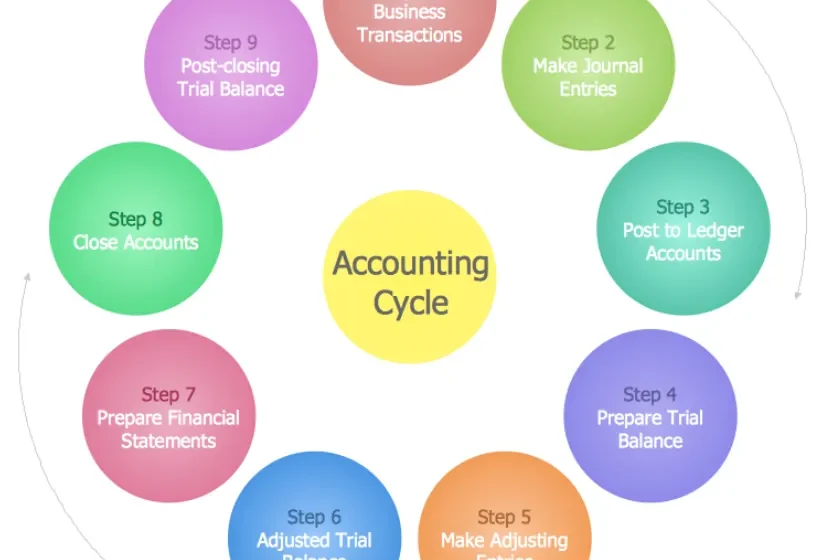

Preparing management accounts can feel like a demanding task, especially when you’re faced with endless spreadsheets, tight deadlines, and competing priorities. However, with a structured approach, you can turn the process into an efficient and insightful exercise that supports better business decisions. This guide walks you through each step—from collecting data to preparing reports—so you can produce management accounts that add real value.
Understanding Management Accounts
Management accounts are internal financial reports designed to provide an accurate, timely picture of how a business is performing. They combine key financial statements such as the profit and loss report, balance sheet, and cash flow statement with operational metrics that show how effectively the company is being managed. These reports help track performance, spot trends, and make informed decisions about strategy, spending, and growth.
Who Uses Management Accounts?
Management accounts serve several audiences within a business, each with their own objectives:
- Business Owners and Executives: Use them to monitor profitability, cash flow, and overall performance.
- Department Managers: Rely on them to manage budgets and control costs.
- Investors and Lenders: Often request interim results to assess business health before providing funding.
- Advisers and Consultants: Use them to evaluate financial efficiency and recommend improvements.
Step-by-Step Process for Preparing Management Accounts
Step 1: Collect and Organize Financial Data
Start by gathering all financial records for the reporting period—bank statements, invoices, payroll data, and inventory records. Make sure these are accurately recorded in your accounting system. Classify income, expenses, and liabilities clearly to simplify analysis. Automated accounting software can streamline this step, but it’s still important to double-check balances and reconcile accounts for accuracy.
Step 2: Make Adjustments
Adjust your records to reflect a true and fair view of your financial position. This includes accounting for accrued expenses, depreciation, deferred income, and tax liabilities. Adjustments ensure that your figures accurately represent the business’s performance and highlight any potential risks or irregularities.
Step 3: Prepare Core Financial Statements
Once your data is clean and complete, compile the key financial reports:
- Profit and Loss Statement: Summarizes income and expenses, showing whether the business made a profit or loss.
- Balance Sheet: Lists assets, liabilities, and equity, offering a snapshot of financial stability.
- Cash Flow Statement: Tracks the inflow and outflow of cash, ensuring the business maintains enough liquidity to operate smoothly.
Step 4: Add Custom and Operational Reports
Management accounts should go beyond financial results. Include custom reports relevant to your operations, such as:
- Sales and revenue trends.
- Departmental performance reports.
- Customer retention or satisfaction metrics.
- Productivity or efficiency ratios.
Tailoring these reports helps management focus on the metrics that truly drive performance.
Step 5: Write an Executive Summary
Your summary should highlight the key takeaways from the reports. Focus on metrics like revenue growth, gross margin, and cash flow, and point out any major variances from previous periods. This summary provides context for decision-makers who may not have time to review detailed statements.
Step 6: Present and Review the Results
Communicate your findings in a clear and accessible format. Use charts or visuals where appropriate to make trends more obvious. Schedule regular review meetings with leadership or department heads to discuss results, opportunities, and risks. This discussion transforms the data into action, helping your business respond quickly to financial or operational challenges.
Benefits of Preparing Management Accounts
Producing management accounts regularly offers multiple advantages:
1. Better Financial Control
Regular reporting keeps you aware of your cash flow, expenses, and profitability, making it easier to spot overspending and ensure resources are used efficiently.
2. Smarter Decision-Making
Access to current, accurate data means decisions can be based on facts rather than assumptions—helping you plan, allocate budgets, and manage growth more effectively.
3. Early Problem Detection
By tracking financial performance continuously, you can detect issues—such as rising costs or declining margins—before they become serious problems.
4. Improved Forecasting and Planning
Consistent reporting builds a reliable foundation for forecasting future performance, supporting long-term planning and resilience in changing markets.
5. Greater Transparency for Stakeholders
Investors, lenders, and partners appreciate clear, consistent financial reporting. Management accounts demonstrate accountability and strengthen trust.
6. Operational Efficiency
By combining financial data with operational insights, you can identify inefficiencies and focus efforts where they’ll have the greatest impact.
What Should Be Included in Management Accounts?
A strong set of management accounts includes both financial and operational components:
- Profit and Loss Statement: Summarizes revenue and expenses to show net profit.
- Balance Sheet: Displays assets, liabilities, and equity to assess stability and solvency.
- Cash Flow Statement: Details how money moves through the business to ensure liquidity.
- Budgets and Forecasts: Compare expected performance with actual results to guide strategy.
- Key Performance Indicators (KPIs): Measure financial and operational goals such as margin, growth rate, or customer acquisition.
Best Practices for Accurate and Efficient Management Accounts
1. Stick to a Consistent Reporting Schedule
Set clear deadlines for month-end or quarterly close processes. Consistency builds discipline and reliability.
2. Automate Where Possible
Integrate accounting systems with bank feeds, payroll, and invoicing software to minimize manual work and reduce errors.
3. Maintain Consistent Accounting Policies
Apply the same rules for depreciation, revenue recognition, and expense classification every period for comparability.
4. Focus on What Matters
Don’t overload reports with unnecessary details—highlight figures that have a real impact on decision-making.
5. Review Variances Promptly
Compare actual results against budgets or forecasts and investigate significant differences early.
6. Collaborate Across Teams
Involve managers and finance staff in interpreting results. Their on-the-ground insights make reports more accurate and actionable.
Final Thoughts
Preparing management accounts doesn’t have to be a tedious exercise. When approached systematically, it becomes a valuable process that empowers smarter decisions and sharper strategy. By combining accurate data, consistent reporting, and thoughtful analysis, management accounts can transform raw numbers into a clear roadmap for growth, efficiency, and financial confidence.