
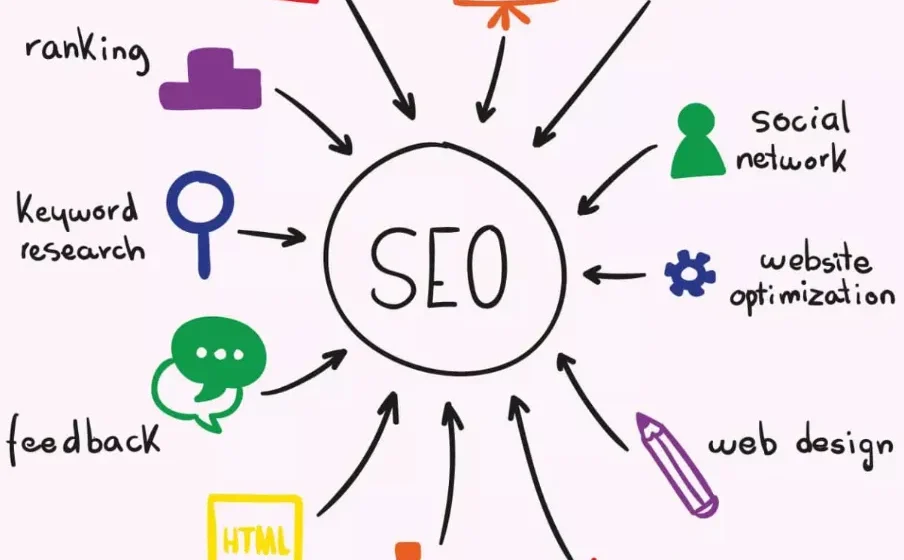

Search Engine Optimization (SEO) is one of the most dynamic and rewarding fields within digital marketing. It’s an area where creativity meets analytics, and unlike many professions, it doesn’t require a specific degree or formal qualification to get started. Whether you’re a recent graduate, shifting from another career path, or simply fascinated by how search engines work, SEO offers endless opportunities to grow, learn, and build a successful career.
Understanding the Role of SEO
At its core, SEO involves improving a website’s visibility on search engines like Google. Specialists work to enhance a site’s rankings, attract organic traffic, and increase user engagement. You might work for a digital agency handling multiple clients, specialize in SEO for a single company, or even go freelance and build your own client base. The flexibility of this profession is one of its biggest attractions, but so is the constant need to stay ahead of search engine updates and emerging technologies.
1. Master the Fundamentals
If you’re serious about breaking into SEO, start by understanding the basics. Learn how search engines crawl and index websites, what ranking factors matter most, and how to optimize content effectively. Online tutorials, certifications, and even free resources from Google can help you get started.
You don’t need to be an expert overnight. Focus on key concepts such as keyword research, on-page optimization, link building, and content strategy. Once you understand the theory, apply it. Create a small blog or website where you can experiment with what you learn and measure the results.
2. Get Comfortable with Industry Tools
Employers value candidates who already know their way around essential SEO tools. Familiarity with analytics platforms and optimization software shows you’re prepared to hit the ground running. Start exploring tools such as:
- Google Analytics and Google Search Console – For performance tracking and identifying optimization opportunities.
- Ahrefs and SEMrush – For keyword research, backlink analysis, and competitor audits.
- Google Sheets or Excel – For organizing data, running reports, and managing projects efficiently.
These are staples in most SEO roles, and demonstrating experience with them during interviews can help you stand out.
3. Build a Portfolio or Personal Project
If you don’t yet have professional experience, create your own opportunities to showcase your abilities. Launch a personal blog, optimize it for specific keywords, and track its progress over time. Alternatively, offer to help a small business or nonprofit improve their website’s SEO in exchange for a testimonial or case study.
Your portfolio doesn’t need to be extensive—it just needs to prove you can apply SEO strategies in real scenarios. Employers appreciate candidates who take initiative and can back up their knowledge with results, even from self-directed projects.
4. Highlight Transferable and Soft Skills
While technical expertise is vital, recruiters also value soft skills that make you a strong collaborator and problem-solver. Include skills like:
- Analytical thinking and attention to detail.
- Strong communication and writing abilities.
- Time management and multitasking.
- Project coordination and teamwork.
If you’ve worked in marketing, writing, web development, or research roles before, emphasize how those experiences prepared you for SEO. Many of the skills you already have—such as interpreting data or creating engaging content—translate directly to this field.
5. Stay Up to Date with Industry Trends
SEO evolves constantly. Algorithm updates, new ranking factors, and emerging tools can all change the landscape overnight. Staying current isn’t just beneficial—it’s essential. Subscribe to reputable SEO blogs, follow industry professionals on LinkedIn, and join online communities or webinars where you can exchange insights and learn from experts.
Showing that you keep up with trends demonstrates initiative and curiosity, qualities that recruiters and hiring managers always look for.
6. Tailor Your Resume for Every Application
Avoid sending a generic résumé to every SEO job posting. Instead, tailor it to match the specific role you’re applying for. Highlight relevant skills, certifications, and examples of measurable results—such as increased site traffic, improved keyword rankings, or successful link-building campaigns.
Keep your résumé concise, well-structured, and easy to scan. Use bullet points to list achievements and include links to your website, portfolio, or LinkedIn profile. A clean, professional layout leaves a positive impression on busy hiring managers.
7. Prepare for SEO Interviews
Once you’ve been shortlisted for an interview, preparation is key. Learn about the company—its clients, tone, and current online presence—so you can discuss how you could contribute to their success. Be ready to explain your approach to keyword research, content optimization, or technical audits.
Many interviews include practical questions or scenarios, such as how you would improve a poorly performing webpage or recover from a traffic drop. Practice explaining your reasoning clearly and confidently. If you’ve run your own website or project, use it as an example to demonstrate your problem-solving process.
8. Network and Engage with the SEO Community
Networking is an underrated but powerful part of landing your first SEO job. Participate in online groups, attend digital marketing meetups, or connect with professionals on LinkedIn. A single referral or introduction can often open doors to opportunities that aren’t publicly advertised.
Engaging with others in the field not only helps you find openings but also exposes you to different perspectives and strategies, which is invaluable for ongoing professional development.
Final Thoughts
Getting a job in SEO is about more than memorizing best practices—it’s about curiosity, experimentation, and continuous learning. Start small, build real-world experience, and stay adaptable as the industry changes. With persistence and initiative, you can turn your passion for digital strategy into a thriving SEO career.