

When it comes to understanding your company’s financial performance, not all reports serve the same purpose. Many business owners find themselves wondering whether they should rely on management accounts or financial accounts—or both. While they might sound similar, these two types of reports have very different goals. One is designed to keep your business running smoothly day to day, while the other ensures you remain compliant, credible, and investor-ready.
Knowing how they differ is essential to making informed decisions that strengthen both your operations and long-term strategy.
What Are Management Accounts?
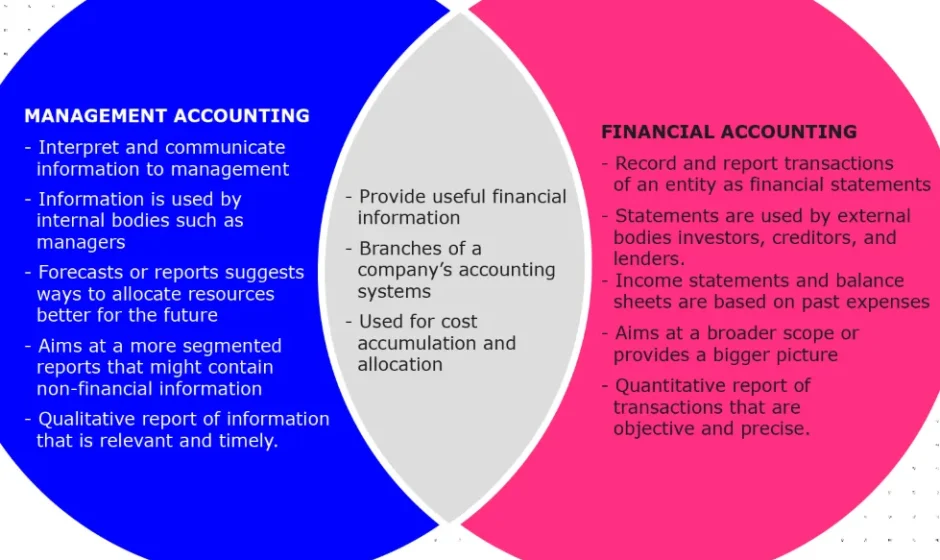
Management accounts are internal reports that provide up-to-date insights into a company’s financial health. They are created primarily for business owners and management teams to support effective planning, performance tracking, and decision-making. Because they’re not bound by statutory regulations, management accounts can be customized to highlight the most relevant information for the business—such as profitability by department, sales trends, or cash flow projections.
They are usually prepared monthly or quarterly and serve as a real-time guide to business performance rather than a historical record.
Key characteristics of management accounts include:
- Internal purpose: They’re designed for internal decision-makers rather than external stakeholders.
- Forward-looking focus: Management accounts often include forecasts, budgets, and performance metrics that guide future actions.
- Flexible structure: Reports can be customized to include KPIs, revenue breakdowns, and operational performance by team or product line.
- Action-oriented: They help leaders identify issues, adjust strategies, and make timely decisions based on data.
What Are Financial Accounts?
Financial accounts, on the other hand, are formal reports prepared for external audiences such as investors, regulators, and tax authorities. They summarize the company’s financial performance over a specific accounting period and must comply with established standards like UK GAAP or IFRS. These reports provide a transparent, standardized overview of a company’s financial position, enabling stakeholders to assess its stability and reliability.
Typically, financial accounts include the income statement, balance sheet, and cash flow statement.
Core features of financial accounts:
- Regulatory compliance: They must meet statutory requirements and accounting principles.
- External use: Primarily for shareholders, creditors, and government bodies.
- Historical data: They reflect what happened during a specific accounting period rather than providing forecasts.
- Standardized format: Reports follow strict templates, allowing comparisons across businesses and time periods.
Key Differences Between Management and Financial Accounts
Although both management and financial accounts are critical to effective financial management, they serve distinct roles. Understanding the differences helps determine which is more useful depending on your business goals.
1. Purpose and Audience
Management accounts are designed for internal stakeholders—founders, managers, and department heads—to guide operational decisions and strategy.
Financial accounts, by contrast, are aimed at external users such as investors, lenders, and auditors who require assurance of your company’s financial integrity.
2. Reporting Framework
Management accounts are not governed by formal regulations, allowing flexibility in how information is presented. Financial accounts, however, must follow strict accounting standards like GAAP or FRS to ensure consistency and comparability.
3. Time Orientation
Management accounts look both forward and backward, incorporating forecasts, budgets, and real-time analysis. Financial accounts are purely retrospective, documenting actual results from the past fiscal year.
4. Level of Detail
Management reports often provide granular insights—such as performance by division or cost centre—helping teams identify strengths and weaknesses. Financial accounts, on the other hand, offer a high-level overview of the company’s overall position, ideal for external assessment but less useful for operational decision-making.
5. Flexibility vs Compliance
Management accounts prioritize flexibility, enabling reports to evolve with the business’s needs. Financial accounts prioritize compliance, requiring adherence to legal and auditing standards.
6. Strategic vs Legal Objectives
Management accounts are tools for growth and strategy, helping leadership refine budgets and improve efficiency. Financial accounts fulfill legal and regulatory obligations, ensuring that a company’s financial information is accurate and publicly accountable.
When to Use Management Accounts
Management accounts are most valuable when your goal is to optimize internal performance and drive business growth. They are particularly useful when:
- You need real-time financial data to make quick, informed decisions.
- You’re managing budgets, cash flow, or cost control across departments.
- You want to evaluate business performance and adjust strategy mid-year.
- You’re scaling operations and need to forecast future trends accurately.
Regular management reporting helps ensure your leadership team stays aligned with the company’s financial goals and can adapt quickly to changing conditions.
When to Use Financial Accounts
Financial accounts become essential when you need to demonstrate credibility and compliance to outside parties. They are required for:
- Annual filing and statutory reporting.
- Tax submissions and regulatory compliance.
- Audits and funding applications.
- Providing assurance to investors, lenders, or potential acquirers.
In short, financial accounts establish trust externally, while management accounts empower agility internally.
Which Is Right for Your Business?
Both management and financial accounts play vital roles—but they serve different purposes. Financial accounts are mandatory for compliance and external reporting, while management accounts are indispensable for internal control, forecasting, and decision-making.
For a growing business, the most effective approach is to use both in tandem. Financial accounts ensure accuracy and accountability, while management accounts provide the insight and flexibility needed to make proactive, data-driven decisions.
Final Thoughts
A successful business doesn’t just look at where it’s been—it plans where it’s going. Financial accounts record your company’s past, but management accounts shape its future. By understanding how both work together, you can maintain compliance, improve performance, and make smarter financial decisions that fuel long-term growth.