
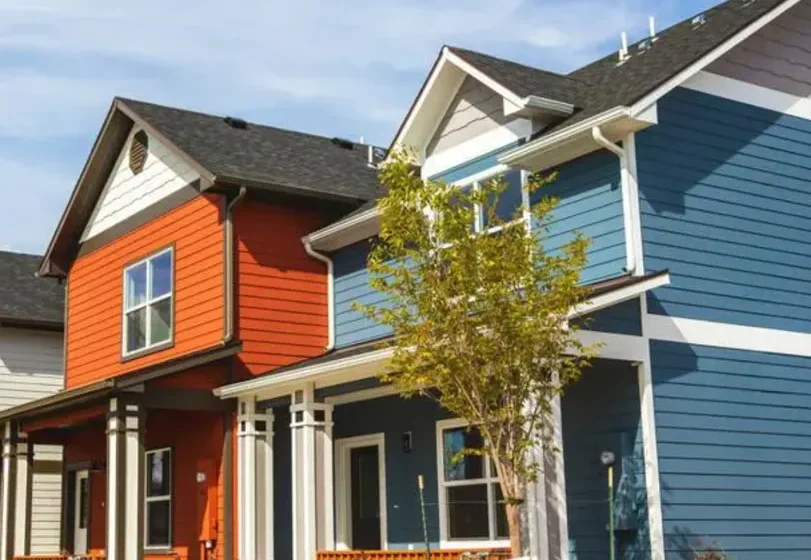

When it comes to building a real estate portfolio, investors often find themselves choosing between multifamily properties and single-family rentals (SFRs). Both offer income potential and diversification benefits, but they operate in very different market environments. Understanding how these two asset types perform—and the factors driving their success—can help investors make smarter, more strategic decisions.
Multifamily Market Overview
Rental Performance and Occupancy
Across the multifamily sector, rent growth has begun to level off after years of rapid gains. In certain high-supply markets such as Phoenix and Austin, rental rates have even dipped due to a surge in new apartment developments. However, markets with limited construction—like Kansas City and St. Louis—continue to experience steady rent appreciation.
Despite the slower growth, occupancy remains stable. With mortgage rates still elevated and housing inventory tight, many renters are staying put, supporting consistent demand in well-located multifamily communities.
Construction Trends
New apartment construction has cooled nationwide. Developers are facing higher financing costs, more expensive materials, and ongoing supply chain disruptions. As a result, fewer projects are breaking ground, which may eventually help balance supply with tenant demand.
Regional Differences
Performance varies significantly by region. The Northeast and Midwest continue to post modest rent gains, while parts of the South and West are softening as new supply outpaces demand. This regional variation highlights the importance of local market analysis before committing to any large multifamily investment.
Single-Family Rental (SFR) Market Overview
Rising Demand for SFRs
Since the pandemic, the desire for more space, privacy, and suburban living has driven record demand for single-family rentals. Many families and young professionals prefer renting detached homes rather than apartments, particularly when buying a home is out of reach due to high mortgage rates.
SFRs appeal to tenants who want the lifestyle benefits of homeownership—yards, garages, and more square footage—without the financial and maintenance burden of owning. This trend has helped the sector outperform many other housing types in recent years.
Growth in Built-to-Rent (BTR) Communities
Developers are responding to strong demand by building entire neighborhoods of rental homes, a model known as built-to-rent (BTR). Over the past year, construction in this segment has surged by nearly 20%, with developers focusing on efficiency to offset rising material and labor costs. These communities often feature shared amenities like playgrounds and walking trails, making them attractive to families and long-term renters.
Key Challenges Across Both Sectors
Multifamily Obstacles
- Financing pressures: Higher interest rates have made new developments more expensive to fund, tightening profit margins.
- Labor shortages: A lack of skilled workers continues to delay projects and raise costs.
- Absorption of new supply: While new construction has slowed, many markets are still digesting a wave of recently completed units, keeping rent growth subdued.
SFR Obstacles
- Limited inventory: Investors and homebuyers are often competing for the same properties, driving prices higher.
- Economic uncertainty: Inflation and interest rate fluctuations add risk to both financing and returns.
- Regulatory constraints: Zoning restrictions in urban and suburban areas can make it difficult to build new rental housing, tightening supply further.
Emerging Trends and Future Outlook
Multifamily Evolution
To stay competitive, developers are emphasizing lifestyle amenities—like green spaces, pet areas, and wellness centers—to attract long-term renters. Another growing trend is senior housing: as the baby boomer generation retires, the demand for maintenance-free, luxury rental options is expected to rise.
SFR Momentum
The SFR sector shows no signs of slowing down. National rents have hit record highs, averaging over $2,100 per month, with occupancy rates above 95%. Built-to-rent homes now account for more than 8% of all new housing construction, helping address the shortage of rental supply and creating streamlined opportunities for investors.
Final Thoughts
While multifamily housing continues to stabilize, the single-family rental market is currently leading in accessibility, demand, and long-term growth potential. Multifamily investments remain attractive for those seeking scale and consistent cash flow, but they require a deep understanding of local economics and property management.
Single-family rentals, on the other hand, provide investors with flexibility, steady returns, and exposure to one of the strongest-performing segments in real estate. As affordability challenges persist and homeownership becomes less attainable, demand for SFRs is expected to remain strong.
For investors seeking a balance of stability and scalability, understanding the distinctions between multifamily and single-family rentals is essential. Both have their place—but in today’s market, SFRs are emerging as the preferred path for investors aiming to build wealth through resilient, long-term real estate assets.