
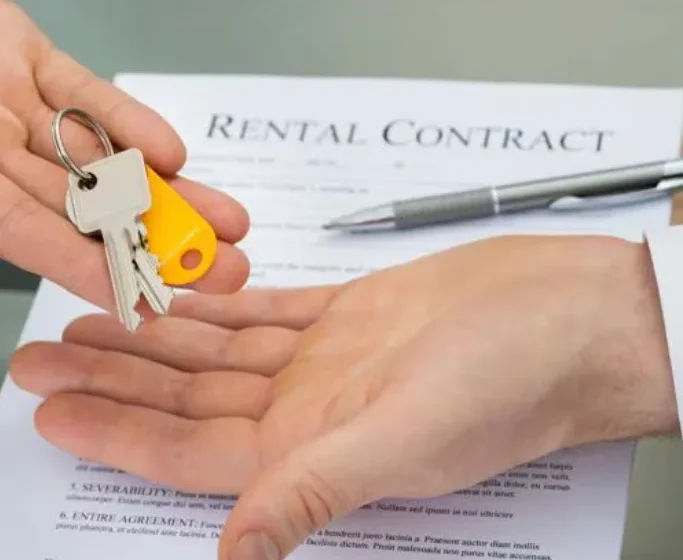

A well-written lease agreement is one of the most powerful tools a landlord can have. It’s more than just a formality—it defines the relationship between you and your tenant, protects your investment, and ensures compliance with state and federal laws. Yet, many property owners still rely on outdated, borrowed, or incomplete lease templates, leaving themselves open to disputes, fines, and legal complications.
If you want to avoid costly mistakes, you need a lease that’s clear, enforceable, and tailored to your property and location. Here’s what to include, what to avoid, and how to create an airtight agreement that keeps your rental business running smoothly.
Understanding What a Lease Agreement Really Is
A rental lease agreement is a legally binding contract between the landlord and tenant. It outlines both parties’ rights and obligations during the rental term, from rent payments to maintenance responsibilities. It also sets clear rules for how and when the lease can be renewed, amended, or terminated.
Each state and county has its own requirements for disclosures and clauses—such as safety hazards, entry rights, or security deposit handling—so it’s essential to ensure your lease meets all local regulations.
Five Key Elements Every Lease Should Include
- Basic Details
The lease should clearly identify both parties and the rental property. Include the landlord’s and tenant’s full legal names, the property address, and a clear title for the document such as “Residential Lease Agreement.” - Lease Duration and Renewal Terms
Define the length of the lease—whether it’s a month-to-month agreement or a fixed term (for example, 12 months). Specify the start and end dates, and outline how renewals work. Indicate how much notice tenants must give if they plan to renew or move out. Clarity here prevents confusion and disputes later. - Rent and Security Deposits
Spell out the monthly rent amount, due date, acceptable payment methods, and any applicable late fees. Make sure your late fee structure complies with your state’s regulations. For the security deposit, state how much you’re collecting, how it should be paid, and under what conditions it will be returned. Always check your state laws—some limit the amount landlords can charge or require holding deposits in separate accounts. - Property Rules and Tenant Responsibilities
Set expectations for how tenants should maintain the property and use shared spaces. Common areas to address include:
- Smoking, pets, and noise policies
- Trash and recycling procedures
- Subletting and guest policies
- Maintenance responsibilities and how to report issues
If you require renter’s insurance, include that requirement in this section. Clear rules help prevent misunderstandings and preserve your property’s condition.
- Legal Disclosures and Eviction Procedures
Every state mandates specific disclosures, such as the presence of lead-based paint, radon, or other known hazards. Be sure to include all required language and documentation. You should also outline your eviction process—detailing what constitutes a violation, the notice period you’ll provide, and the steps that follow if rent remains unpaid or the lease terms are breached.
Mistakes That Could Cost You
Even experienced landlords make errors that can invalidate a lease or make enforcement difficult. Avoid these common pitfalls:
- Using outdated templates: Laws change frequently. Review your lease annually to ensure compliance with local updates.
- Vague or incomplete terms: Ambiguous language invites conflict. Be specific about rent amounts, deadlines, and policies.
- Ignoring pet policies: Nearly two-thirds of renters have pets. Spell out your expectations to prevent unauthorized animals or damage.
- Skipping clauses: Omitting terms about subletting, guests, or maintenance can leave you without recourse when problems arise.
- Mishandling security deposits: Many states regulate how deposits must be collected, stored, and returned. Violating these rules can result in financial penalties.
- Failing to clarify repair responsibilities: Define what constitutes emergency maintenance and who handles routine issues to avoid disputes.
How to Draft and Sign a Professional Lease
Traditionally, landlords turned to attorneys to draft leases—an option that ensures legal accuracy but can cost hundreds of dollars per hour. Today, property management software provides an affordable and efficient alternative, offering attorney-reviewed, state-specific leases at a fraction of the cost.
Modern landlord software allows you to:
- Generate compliant leases tailored to your state’s laws
- Customize terms and add clauses
- Send agreements electronically for signature
- Store documents securely online for easy access
Digital signatures make the process faster and legally valid. Best practice dictates that landlords should sign last—after the tenant has reviewed and signed the lease—so both parties’ commitments are properly recorded.
Keeping copies of all signed documents in a secure, organized system is equally important. In the event of a dispute or inspection, quick access to records can make all the difference.
Why Every Landlord Needs a Strong Lease
A comprehensive lease agreement does more than protect your property—it sets the tone for a professional landlord-tenant relationship. It eliminates guesswork, prevents miscommunication, and ensures that expectations are clear from day one.
Without a well-drafted lease, you risk losing control over your property and facing unnecessary legal challenges. But with the right approach and tools, creating a compliant, enforceable lease is simpler—and more affordable—than ever.