
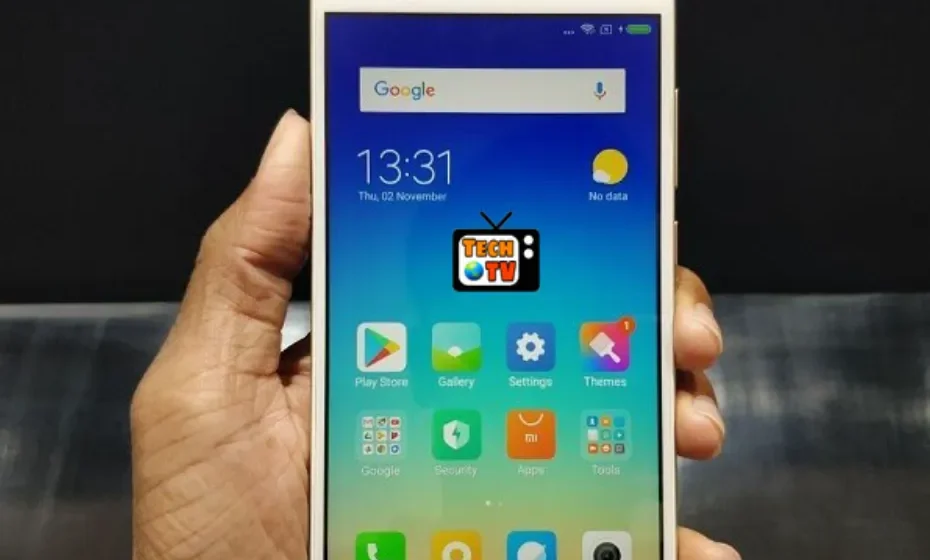

Do you have an old Android phone that’s been collecting dust in a drawer? I sure did. My Xiaomi Redmi Y1 Lite, a 2017 device originally shipped with Android 7, had long since stopped receiving updates and was left with only 2GB of RAM and 16GB of storage. In today’s app-heavy world, it felt almost useless.
But rather than letting it gather more dust, I decided to give it a second life by installing Android 15, thanks to the open-source community behind LineageOS. The result? The phone now runs smoothly, supports the Play Store, and can handle most modern apps without any issues.
In this step-by-step guide, I’ll walk you through how I successfully installed LineageOS 22 (based on Android 15) on my old Redmi Y1 Lite and breathed new life into it. From setting up your PC to flashing LineageOS and installing Google Apps, I’ll cover it all.
1. Why Choose LineageOS for Your Old Device?
Before diving into the installation, let’s quickly go over what LineageOS is and why it’s an ideal choice for older devices.
LineageOS is a community-driven, open-source version of Android that brings newer Android versions, security patches, and performance optimizations to phones that no longer receive updates from their manufacturers. This means you can:
- Install the latest Android versions like Android 15.
- Restore Play Store compatibility for modern apps.
- Improve battery life and overall security.
- Enjoy a bloatware-free experience.
For anyone with an old phone lying around, LineageOS is a great way to bring it back into action, whether as a backup device, a media player, or even a secondary phone for everyday use.
2. Preparing Your PC for the Installation
Let’s start by getting your computer ready for the flashing process. You’ll need to install a couple of tools to communicate with your phone.
Step 1: Install ADB and Fastboot
ADB (Android Debug Bridge) and Fastboot are essential tools that allow you to send commands to your device, install custom recoveries, and flash ROMs. Here’s how to install them:
- Visit the official Android Developers Platform Tools page.
- Download the ZIP file for your operating system (Windows, Mac, or Linux).
- Extract it to a location on your PC, like
C:\platform-tools. - Add this folder to your system’s PATH to make the tools accessible from any command prompt window.
To confirm the installation is successful, open Command Prompt and type:
adb version
If a version number shows up, you’re all set.
Step 2: Install USB Drivers
Your PC will need the proper USB drivers to detect your phone when it’s in Fastboot mode.
- Download the Google USB Driver.
- Extract the ZIP file, and right-click on
android_winusb.infto install it.
3. Download LineageOS and Recovery Files
Now that your PC is set up, it’s time to grab the necessary files.
- Go to the official LineageOS website.
- Look for your device model (Redmi Y1 Lite in my case) and download the latest available build of LineageOS 22.2 (based on Android 15).
- Download the recovery image as well.
Make sure you also bookmark your device’s official installation guide from the LineageOS site for any device-specific instructions.
4. Enable Developer Options and USB Debugging
To prepare your phone, you need to enable developer options and USB debugging:
- Go to Settings > About Phone and tap Build Number seven times to unlock Developer Options.
- Navigate to Settings > Additional Settings > Developer Options and enable USB Debugging.
5. Remove Google Accounts and Security Locks
Before flashing the new ROM, you’ll need to remove all Google accounts and any security locks (PIN, password, or fingerprint). This prevents Factory Reset Protection (FRP) from locking your phone after the flash.
- Go to Settings > Accounts > Google and remove all accounts.
- Disable any security features like PINs or fingerprints.
6. Unlock the Bootloader
Unlocking the bootloader is essential for installing custom recoveries and ROMs. Here’s how to do it:
- For Xiaomi phones, use the official Mi Unlock Tool to unlock your bootloader.
- For other devices, follow your brand’s guide to unlock the bootloader.
Warning: Unlocking the bootloader will erase all your data, so back up everything important before proceeding.
Once your bootloader is unlocked, you can move on to the next step.
7. Flash the LineageOS Recovery
Now it’s time to install the custom recovery:
- Connect your phone to your PC using a USB cable.
- Open Command Prompt and type:
adb devices
If your device shows up, proceed. If not, check your USB connection or drivers.
- Reboot your phone into Fastboot mode:
adb reboot bootloader
Or press Volume Down + Power to manually enter Fastboot mode.
- Flash the recovery:
fastboot flash recovery lineage_recovery.img
Replace lineage_recovery.img with the actual recovery file name.
- After flashing, boot into recovery mode:
fastboot reboot recovery
Your phone should now boot into the LineageOS recovery screen.
8. Installing LineageOS ROM
Now the fun part: installing Android 15!
- In the recovery menu, select Factory Reset > Format Data.
- Go back to the main menu and choose Apply Update > Apply from ADB.
- On your PC, navigate to the folder containing the LineageOS ROM file and enter:
adb sideload lineageos_22.2.zip
Wait for the process to finish. This may take about 5 to 10 minutes.
9. Installing Google Apps (GApps)
After flashing LineageOS, you might want Google Apps (like Gmail, Play Store, etc.):
- Download the GApps package for Android 15 from OpenGApps or NikGApps.
- Place the GApps ZIP file in the same folder as your ROM.
- Back in recovery, select Apply Update > Apply from ADB and run:
adb sideload gapps.zip
Once done, reboot your phone.
10. First Boot and Setup
Your phone will take a few minutes to boot up as it configures the new system. Once it’s ready:
- Connect to Wi-Fi.
- Log in to your Google account.
- Complete the initial setup.
Congratulations! You’ve successfully installed Android 15 on your 8-year-old Redmi Y1 Lite.
11. Post-Installation Tips
To keep your phone running smoothly:
- Update LineageOS regularly via Settings > System > Updater.
- Avoid heavy apps since older phones have limited resources.
- Disable animations in Developer Options for a smoother experience.
- Use a lightweight launcher like Niagara or Smart Launcher 6 for better performance.
12. Frequently Asked Questions (FAQ)
Q1: Will unlocking the bootloader void my warranty?
Yes, unlocking the bootloader typically voids the warranty, especially for newer devices.
Q2: Is LineageOS safe to use?
Yes, LineageOS is open-source and widely trusted by the Android community.
Q3: Can I revert to the stock ROM?
Absolutely. You can flash the original firmware using official recovery tools.
Q4: Will my phone’s performance improve?
Yes, you should see a smoother experience, improved battery life, and better app compatibility.
Q5: Will I receive future updates?
Yes, LineageOS is regularly updated, even for older devices.
13. Final Thoughts
Reviving an old device with the latest Android version is a win-win for both technology and sustainability. Thanks to LineageOS, even a phone as old as the Redmi Y1 Lite from 2017 can run Android 15 and stay relevant in today’s mobile ecosystem. So, if you’ve got an old Android phone lying around, don’t throw it away — give it new life!