
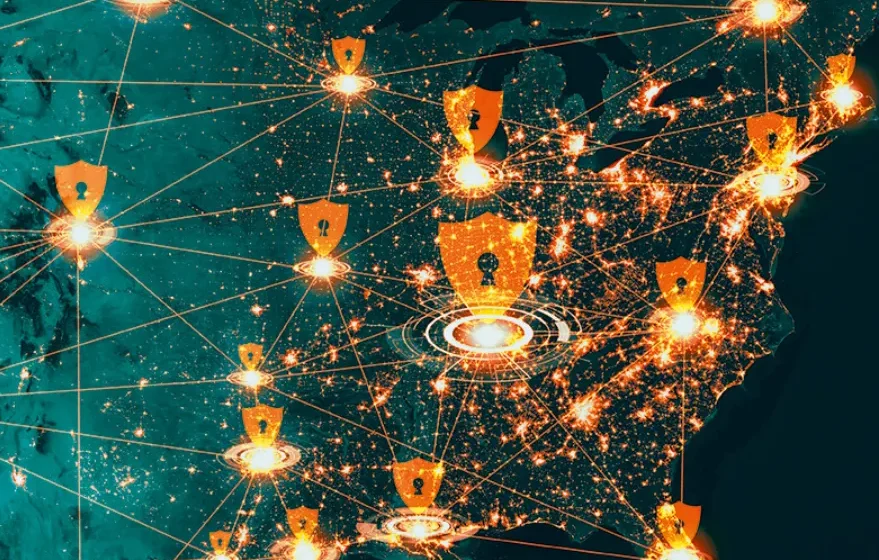

In today’s cybersecurity landscape, relying on a single line of defense is no longer enough. Attackers continuously evolve their methods, targeting vulnerabilities across networks, cloud platforms, and user endpoints. A multi-layered approach is essential for effective protection, and geo-blocking has become a vital piece of that strategy. By restricting access from high-risk regions, organizations can significantly reduce exposure to external threats while enhancing the effectiveness of other security measures such as firewalls, AI-driven monitoring, and identity management systems.
While geo-blocking on its own cannot eliminate every cyber threat, it plays a key role in a comprehensive defense model. When combined with other security tools, it acts as a strong barrier that filters out potential risks early, allowing security teams to focus their resources on more credible and complex threats.
Why Geo-Blocking Matters in Modern Cybersecurity
- Reduces Exposure: Limiting access from untrusted or irrelevant regions helps shrink the organization’s attack surface, minimizing the number of potential entry points for cybercriminals.
- Supports Compliance: Many data protection and privacy regulations require strict controls over where sensitive information can be accessed. Geo-blocking helps meet these compliance obligations.
- Prevents Automated Attacks: Many large-scale botnet and brute-force attacks originate from specific international IP ranges. Geo-blocking prevents these malicious requests from ever reaching internal systems.
Integrating Geo-Blocking into a Multi-Layered Defense
- Firewalls and Intrusion Detection Systems (IDS)
Geo-blocking enhances traditional firewall and IDS tools by adding a layer of geographic intelligence to access control. It ensures that connections from untrusted locations are denied before deeper packet inspection or logging takes place, reducing system strain and improving efficiency. - AI-Driven Threat Monitoring
Artificial intelligence helps refine geo-blocking policies by continuously learning from login behaviors, access trends, and IP reputations. This allows organizations to automatically adapt their geo-blocking rules to changing conditions—blocking high-risk traffic while maintaining access for legitimate global users. - Multi-Factor Authentication (MFA)
When paired with MFA, geo-blocking provides an additional line of defense. Even if an attacker obtains valid credentials, attempts from restricted regions are blocked before MFA verification is triggered, effectively preventing unauthorized access. - VPN and Proxy Detection
Many attackers use VPNs, proxies, or anonymizing tools to disguise their real location. Integrating VPN detection technology with geo-blocking helps identify and restrict suspicious connections that may attempt to bypass regional access controls. - Incident Response Integration
Geo-blocking can be linked directly to incident response workflows. When a new high-risk country or IP range is identified during an active threat, automated triggers can instantly block that region’s traffic, minimizing the window of exposure and containing the potential impact.
The Value of Geo-Blocking in Threat Prevention
Studies have shown that more than 60% of brute-force login attempts originate from just a handful of countries. Implementing geo-blocking as an initial layer of defense can prevent these attacks from reaching authentication systems altogether, saving time and resources for more critical security operations.
Conclusion
Geo-blocking should not operate as a standalone measure—it is most effective when combined with other layers of cybersecurity. By integrating geo-blocking with AI analytics, VPN detection, identity management, and automated incident response, organizations create a dynamic, adaptive security posture. This multi-layered approach not only filters out unnecessary traffic but also ensures compliance, improves efficiency, and strengthens overall resilience against evolving cyber threats.