
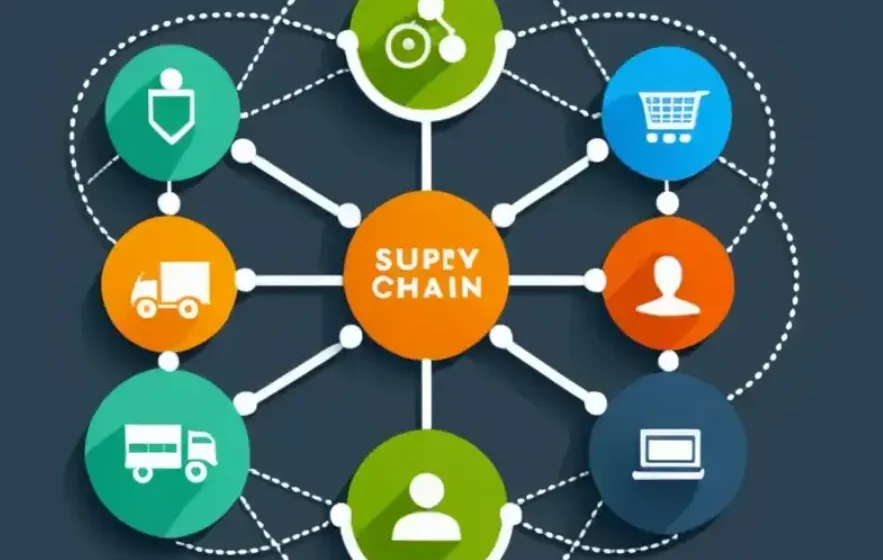

When people talk about supply chains, they often jump straight to warehouses, trucks, and delivery schedules. But long before anything moves, someone has to decide what to buy, who to buy it from, and on what terms. That is where procurement chain management comes in.
Handled well, it connects sourcing, purchasing, and logistics into a single, coordinated flow that keeps costs under control and products moving. Handled poorly, it leads to delays, stockouts, and budget headaches.
This article walks through what procurement means inside the supply chain, how it differs from wider supply chain management, and what you can do to make the whole chain work more smoothly.
What Procurement Means in a Supply Chain Context
Within the supply chain, procurement is the discipline responsible for securing the goods and services your organisation needs to operate. It is more than simply placing orders—it covers the entire journey from identifying needs to ensuring materials arrive in the right place, at the right time, at the right price.
Core activities usually include:
- Sourcing suppliers who can consistently meet quality and volume requirements
- Negotiating terms, including pricing, lead times, and service levels
- Issuing and managing purchase orders
- Coordinating delivery and logistics alongside internal teams and external partners
- Ensuring compliance with internal policies, contracts, and external regulations
In other words, procurement is the commercial engine that feeds the supply chain.
Procurement vs Supply Chain Management: How They Fit Together
Procurement and supply chain management are closely intertwined, but they are not the same.
Procurement is primarily focused on:
- Choosing suppliers and agreeing terms
- Managing supplier relationships and performance
- Making sure what you buy meets cost, quality, and risk expectations
Supply chain management looks at the full end-to-end journey:
- Planning demand and production
- Procuring materials and services
- Moving, storing, and distributing goods
- Ensuring products reach customers efficiently
You can think of procurement as one critical piece of the larger supply chain puzzle. Supply chain management brings together procurement, production, logistics, and inventory under a single, integrated view.
Why Procurement Matters So Much Inside the Supply Chain
When procurement is tightly aligned with supply chain operations, the business feels it immediately. When it is not, the pain shows up just as fast.
Some of the key contributions include:
1. Controlling total supply chain costs
Thoughtful sourcing and negotiation keep input costs in check, but procurement can also influence transport, storage, and handling costs by choosing suppliers with the right geography, packaging standards, and service models.
2. Building resilient supplier relationships
Strong partnerships with suppliers reduce the likelihood of missed deliveries, quality failures, or sudden price swings. When disruption happens—as it inevitably does—those relationships often determine how quickly you can recover.
3. Reducing risk
Procurement plays a frontline role in managing risk: diversifying key suppliers, reviewing contracts, monitoring compliance, and spotting early warning signs such as financial weakness or geopolitical exposure.
4. Enabling cross-functional collaboration
Because procurement sits between internal demand and external supply, it is uniquely placed to connect logistics, planning, finance, and operations. Shared plans and data reduce silos and make the entire chain more responsive.
The Critical Link Between Procurement and Logistics
Once an order is placed, logistics takes over the physical movement of goods. But the two functions are deeply connected, and they work best when they plan together rather than in isolation.
Procurement influences logistics by:
- Aligning order schedules with freight capacity and shipping lead times
- Balancing inventory levels, avoiding both stockouts and excess stock
- Choosing suppliers and Incoterms that shape who is responsible for transport and risk
- Coordinating documentation for customs, duties, and regulatory checks
When procurement and logistics are out of sync, you see rushed shipments, emergency freight, and mismatched stock levels. When they are aligned, you see smoother flows and lower overall costs.
Where Purchasing Fits in: The Transactional Side
Purchasing is the operational arm of procurement. It is where strategy is turned into day-to-day activity.
Common purchasing responsibilities inside the supply chain include:
- Creating and sending purchase orders based on agreed contracts or requirements
- Matching deliveries and invoices against those orders
- Tracking whether goods arrive on time and in full
- Supporting basic inventory replenishment routines
Procurement defines how and from whom you should buy; purchasing makes sure each transaction follows that playbook. Both are essential, but they operate at different levels of detail.
Typical Challenges in Procurement Chain Management
Even mature organisations run into problems when procurement and the rest of the supply chain are not fully aligned. A few recurring issues stand out.
Supplier instability
Overreliance on a small number of suppliers—or working with vendors that are not fully vetted—can lead to late deliveries, quality problems, or sudden failures. Structured evaluation, performance tracking, and diversification help reduce that risk.
Cost volatility
Fluctuating prices for materials, energy, or transport can wreak havoc on budgets and margins. Using data to monitor trends, locking in prices where appropriate, and designing contracts with flexible clauses all help smooth the impact.
Fragmented systems and data
If procurement, logistics, and inventory are each using separate systems with little integration, it is hard to get a clear picture of what is happening. Important information gets stuck in email or spreadsheets, slowing decisions and increasing error rates.
Tools That Support Procurement Chain Management
Technology has become central to making procurement and supply chain work as one coherent system.
Common tool categories include:
- Procurement platforms to handle sourcing events, contracts, and approvals
- Supply chain management systems to coordinate planning, inventory, and logistics
- Sourcing solutions that help compare suppliers, run tenders, and manage negotiations
- Analytics tools that shine a light on spend, supplier performance, and risk indicators
The real value comes when these tools share data, providing a single view of demand, supply, and risk rather than isolated snapshots.
Where Procurement and Supply Chains Are Heading
Several trends are reshaping how organisations manage procurement within the broader supply chain.
Smarter, data-driven decisions
Machine learning and advanced analytics are increasingly used to forecast demand, suggest optimal sourcing strategies, and highlight risk hot spots before they become problems.
Greater transparency and traceability
Technologies that make transactions and movements more visible are being adopted to reduce fraud, improve trust, and support compliance—for example, in highly regulated or multi-tier supply networks.
Sustainability built into sourcing
Environmental and social performance are now part of supplier evaluations, not an afterthought. Procurement and supply chain teams are working together to reduce emissions, improve labour standards, and select more sustainable materials.
Cloud-based collaboration
Cloud platforms allow procurement, logistics, and planning teams—and their suppliers—to work from the same information in real time, regardless of location. That is becoming essential as supply chains grow more global and complex.
Practical Ways to Strengthen Procurement Chain Management
If you want to improve how procurement supports your supply chain, a few practical actions can make a noticeable difference.
- Tie procurement objectives to business strategy
Make sure sourcing decisions reflect priorities such as growth markets, resilience, sustainability, or innovation—not just unit price. - Invest in shared tools and data
Choose systems that connect procurement, logistics, planning, and finance so everyone sees the same numbers and status. - Encourage cross-functional communication
Regular forums between procurement, supply chain, and operations teams help surface issues early and coordinate responses. - Measure what matters
Track key indicators such as supplier on-time delivery, purchase price variance, stockout rates, and contract compliance, and use those insights to refine your approach.
Final Thoughts
Procurement chain management sits at the intersection of sourcing, purchasing, and logistics. When it is handled strategically and supported by the right tools, it drives cost savings, improves resilience, and helps the entire supply chain run more smoothly.
By understanding how procurement fits into the wider supply chain—and by aligning people, processes, and technology—organisations can move from reactive buying to proactive, integrated planning. In a world of volatile demand, complex supplier networks, and rising expectations, that shift is rapidly becoming a competitive necessity rather than a nice-to-have.